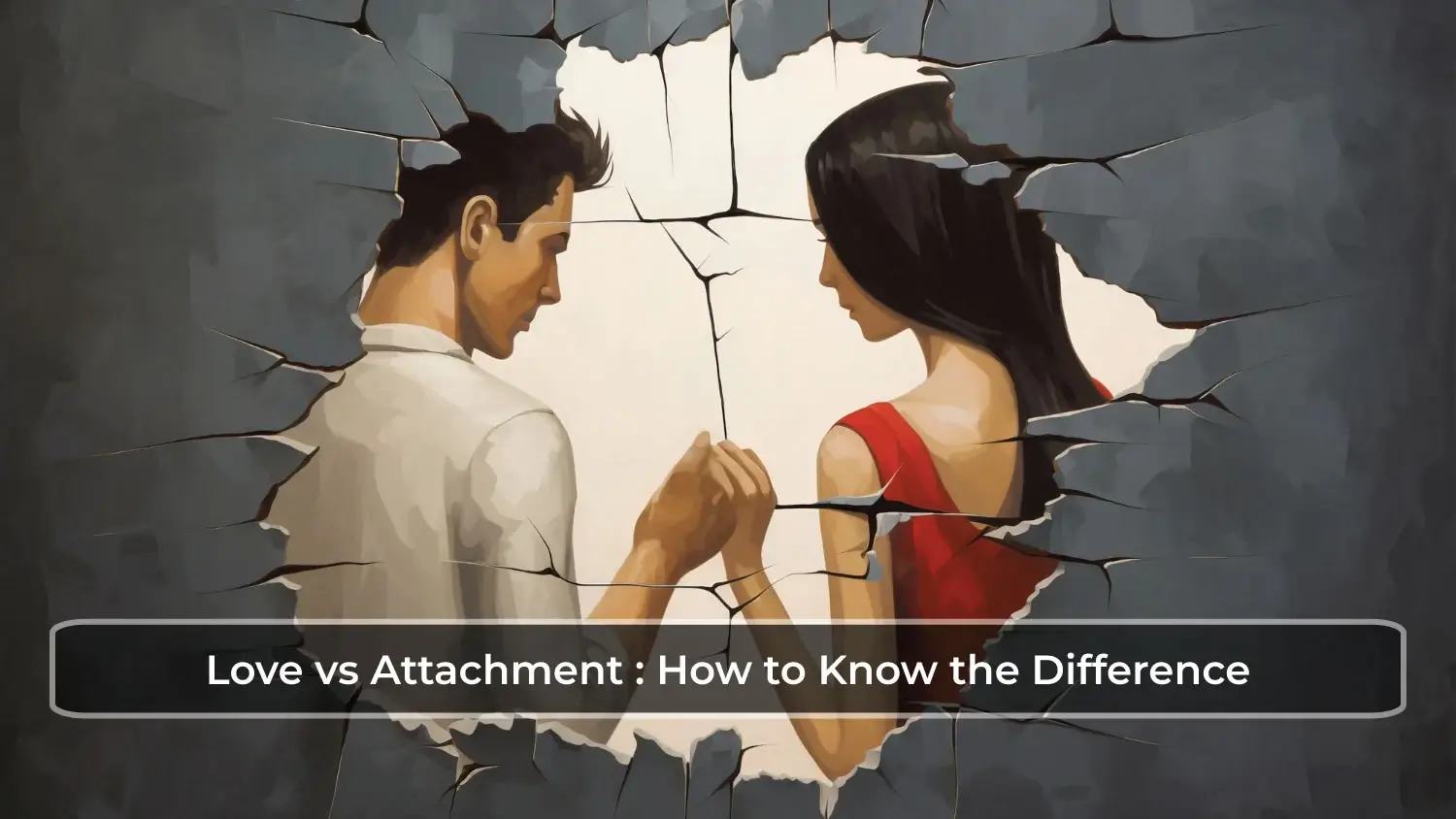
Love and attachment often feel similar at first. Both can make your heart race, your thoughts drift, and your emotions deepen. But over time, the difference between the two becomes crucial-especially for building healthy, lasting relationships.
Many people stay in unhappy relationships simply because they confuse emotional dependency with genuine love. Understanding this difference can change how you choose partners, communicate needs, and protect your emotional well-being.
In this guide, we’ll explore what truly separates love from attachment, how to recognize each in your relationship, and how modern relationship advice continues to evolve in today’s fast-changing world.
Why Love and Attachment Are Often Confused
In the beginning, both love and attachment feel intense. You miss the person, crave their attention, and feel emotionally connected. But while love grows stronger with freedom and trust, attachment grows stronger with fear and insecurity.
In today’s fast-paced dating culture-where messages are instant and emotions move quickly-the line between love and attachment is more blurred than ever. Platforms like Heart Talks Today often highlight how emotional awareness is becoming a key part of modern relationship success.
Knowing the difference helps you avoid emotional burnout and choose relationships that truly support your growth.
What Is Love? A Deeper Emotional Connection
Love is built on emotional safety, respect, trust, and genuine care for another person’s happiness.
True love means:
- Wanting the best for your partner, even if it doesn’t always benefit you
- Feeling secure without constant reassurance
- Supporting each other’s independence
- Growing together, not controlling each other
Love allows both people to evolve as individuals while staying connected emotionally.
It’s not about possession. It’s about partnership.
What Is Attachment? The Need to Hold On
Attachment, on the other hand, is rooted in emotional dependence.
It often comes from:
- Fear of being alone
- Low self-esteem
- Past emotional wounds
- Need for validation
- Anxiety about abandonment
Attachment says:
- “I need you to feel complete.”
Love says:
“I choose you, even though I am already complete.”
Attachment can feel powerful, romantic, and even intense-but it’s usually driven by fear, not freedom.
Love vs Attachment: Key Differences at a Glance
| Love | Attachment |
|---|---|
| Based on trust | Based on fear |
| Encourages independence | Creates emotional dependency |
| Calm and secure | Anxious and controlling |
| Accepts flaws | Tries to change the person |
| Gives freedom | Demands constant closeness |
| Builds emotional safety | Creates emotional pressure |
Emotional Signs of Love
Here are some common signs that what you’re feeling is love:
1. You Feel Secure, Not Anxious
You don’t constantly worry about losing them.
2. You Respect Their Space
You support their personal goals, friendships, and dreams.
3. You Communicate Honestly
You can express concerns without fear of abandonment.
4. You Trust Their Intentions
There’s no need to check their phone or control their actions.
5. You Grow as a Person
The relationship motivates you to become emotionally healthier.
Love feels peaceful, even during challenges.
Emotional Signs of Attachment
Attachment often hides behind romantic gestures but shows itself through emotional patterns:
1. Fear of Being Alone
You stay even when unhappy.
2. Constant Need for Reassurance
You need frequent validation to feel valued.
3. Jealousy and Control
You feel threatened easily.
4. Emotional Dependency
Your mood depends entirely on their behavior.
5. Ignoring Red Flags
You tolerate disrespect just to avoid losing them.
Attachment doesn’t mean you’re weak-it means there are emotional needs waiting to be healed.
How Childhood and Past Experiences Shape Attachment
Our early relationships shape how we connect as adults.
People who experienced:
- Emotional neglect
- Unstable family environments
- Past betrayals
- Sudden breakups
…are more likely to develop anxious or avoidant attachment styles.
These patterns influence:
- How you respond to conflict
- How much closeness you need
- How you handle emotional distance
Modern love advice increasingly focuses on emotional healing, therapy, and self-awareness to build healthier bonds.
How Modern Relationships Are Redefining Love
Today’s relationships are evolving rapidly:
- Long-distance connections
- Online dating
- Career-focused lifestyles
- Mental health awareness
- Boundary-setting culture
Love is no longer just about staying together-it’s about staying emotionally healthy together.
Platforms like Heart Talks Today regularly emphasize emotional intelligence as the new foundation of meaningful relationships.
In 2026 and beyond, healthy love means:
- Mutual emotional support
- Clear boundaries
- Honest communication
- Respect for individuality
- Shared growth
Attachment, however, often resists change and fears emotional independence.
Can Love and Attachment Exist Together?
Yes-but only to a certain extent.
It’s natural to feel emotionally attached to someone you love. The difference lies in balance.
Healthy attachment:
- Doesn’t control
- Doesn’t manipulate
- Doesn’t suffocate
Unhealthy attachment:
- Creates emotional pressure
- Leads to insecurity
- Damages trust
When attachment becomes stronger than love, the relationship turns toxic.
How to Turn Attachment into Healthy Love
If you recognize attachment patterns in yourself, you can change them.
1. Build Emotional Independence
Learn to enjoy your own company.
2. Strengthen Self-Worth
Your value is not defined by someone else’s attention.
3. Communicate Openly
Share fears instead of hiding them.
4. Create Personal Goals
Have dreams outside the relationship.
5. Seek Emotional Healing
Therapy, journaling, or mindfulness can help.
Love grows when fear decreases.
When Attachment Becomes Unhealthy
Attachment becomes dangerous when it leads to:
- Emotional manipulation
- Constant anxiety
- Loss of identity
- Tolerating abuse
- Emotional exhaustion
If a relationship makes you feel:
- Smaller
- More fearful
- Less confident
- Emotionally drained
…it may be attachment, not love.
Walking away from unhealthy attachment is not failure-it’s emotional maturity.
Building Relationships That Last
Healthy relationships are built on:
- Trust
- Emotional safety
- Communication
- Growth
- Respect
Love thrives when both partners feel free, valued, and emotionally secure.
The strongest couples don’t cling-they choose each other daily.
As relationship dynamics continue to evolve, emotional awareness is becoming the most attractive quality anyone can have.
Final Thoughts
Love and attachment may look similar, but they feel very different over time.
Love feels safe.
Attachment feels fearful.
Love gives freedom.
Attachment demands control.
Love strengthens your identity.
Attachment slowly erases it.
As relationships continue to evolve, emotional intelligence is becoming the true definition of romance. Learning the difference between love and attachment isn’t just relationship advice-it’s life advice.
Choose connections that help you grow, not disappear.
FAQs
Can attachment turn into love over time?
Yes, if emotional dependence is replaced with trust, self-confidence, and mutual respect. Growth and healing can transform attachment into genuine love.
Is it bad to feel attached to someone?
No. Emotional connection is natural. It becomes unhealthy only when it controls your happiness or decisions.
How do I know if my partner is attached or in love?
Observe their behavior:
- Do they respect your space? (Love)
- Or try to control it? (Attachment)
Actions reveal emotional truth more than words.
Can love exist without any attachment?
Healthy relationships still include emotional bonds-but without fear, control, or dependency.
Why do I always feel attached quickly?
This often comes from emotional insecurity, fear of abandonment, or past emotional wounds. Self-reflection and healing can help change this pattern.
Can therapy help with attachment issues?
Absolutely. Therapy helps identify emotional triggers, heal past experiences, and build healthier relationship habits.