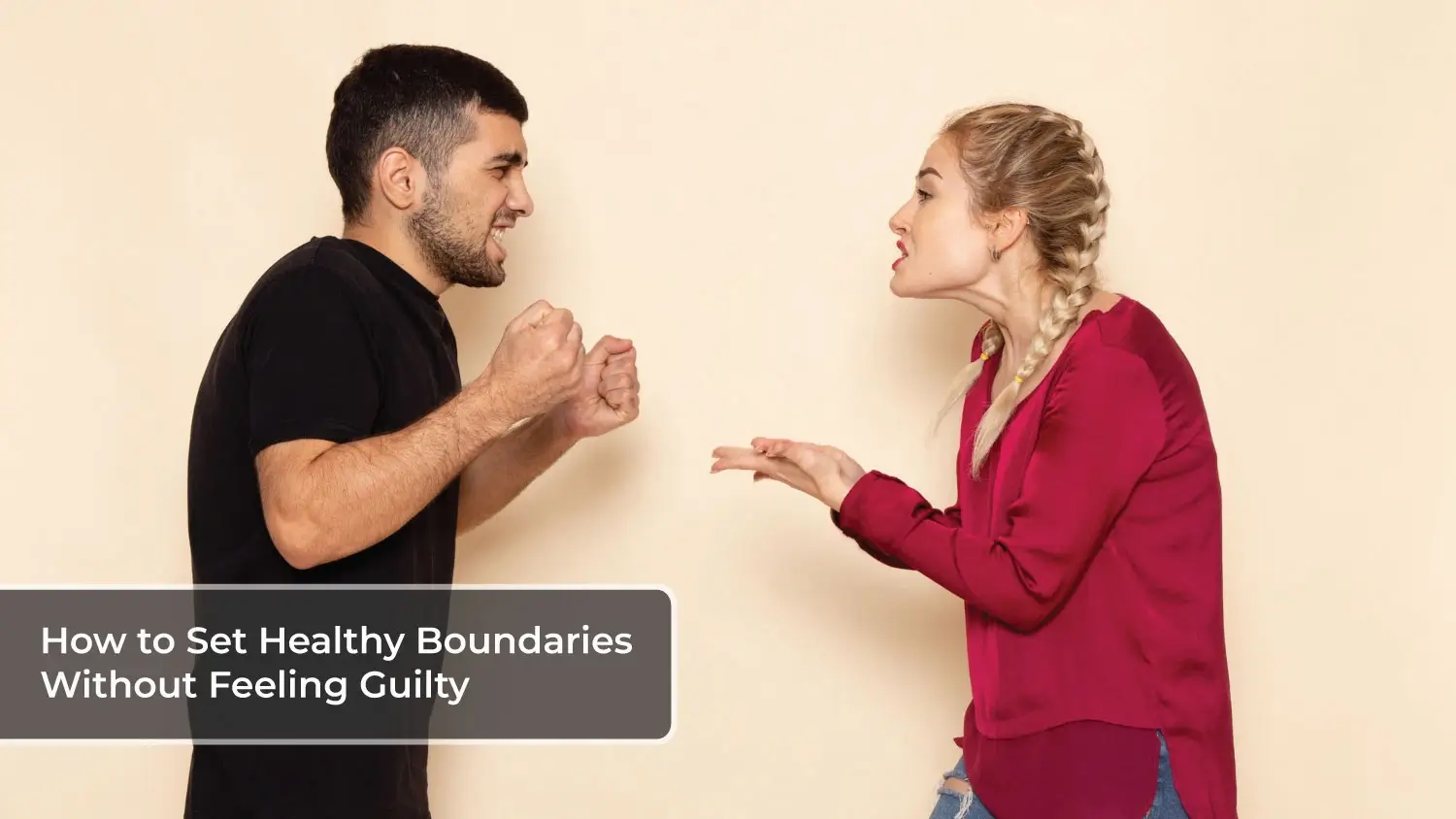
Healthy relationships are not free from conflict-they are shaped by how couples manage it. Disagreements can either deepen understanding or slowly damage emotional safety. The difference lies in how you fight, not whether you fight.
In this guide, you’ll learn practical, emotionally intelligent ways to handle arguments without causing lasting harm. These strategies are based on modern relationship psychology, communication research, and evolving emotional needs in today’s fast-paced, digital world.
Why Fighting Isn’t the Problem
Many people believe that a “perfect” relationship has no fights. In reality, that idea often leads to suppressed emotions, passive aggression, and emotional distance.
Conflict is natural when two individuals with different backgrounds, needs, and personalities share their lives. What matters is learning how to disagree with respect, honesty, and emotional safety.
Couples who fight constructively tend to:
- Understand each other more deeply
- Build trust over time
- Resolve problems instead of avoiding them
- Feel emotionally secure, even during disagreements
The goal is not to avoid conflict-it’s to avoid emotional damage.
Understanding the Real Cause Behind Arguments
Most fights are not actually about the topic being discussed.
You might argue about dishes, money, or late replies-but underneath are emotions like:
- Feeling unappreciated
- Feeling ignored
- Fear of abandonment
- Lack of emotional support
- Feeling disrespected
When couples only focus on surface problems, they miss the emotional message underneath.
Ask yourself:
- “What am I really feeling right now?”
- “What do I need from my partner?”
Understanding this changes arguments from blame‑based to solution‑based.
Common Mistakes That Turn Small Fights Into Big Wounds
Before learning what to do, it’s important to understand what not to do.
❌ Bringing up past mistakes
Old issues reopen healed wounds and destroy trust.
❌ Using insults or sarcasm
Words spoken in anger often leave permanent emotional scars.
❌ Trying to “win” the argument
Relationships are not competitions. Winning an argument can mean losing emotional closeness.
❌ Silent treatment
Ignoring your partner creates emotional insecurity and resentment.
❌ Public arguments
Humiliation damages respect and emotional safety.
Avoiding these habits alone can dramatically reduce relationship damage.
How to Prepare Yourself Before a Difficult Conversation
Handling fights well begins before the conversation even starts.
Step 1: Pause and regulate emotions
Take deep breaths. Walk for five minutes. Calm your nervous system.
Step 2: Clarify your goal
Ask yourself: Do I want to feel understood, or do I want to hurt them back?
Step 3: Choose the right time
Avoid serious conversations when either of you is:
- Extremely tired
- Hungry
- Stressed
- In public
Preparation prevents emotional explosions.
Rules for Fighting Fair in a Relationship
Set these ground rules together:
✔ Use “I” statements
Instead of: “You never listen.” Say: “I feel unheard when I’m interrupted.”
✔ Stay on one topic
Don’t mix five problems into one fight.
✔ No name‑calling or threats
Respect must exist even in anger.
✔ Allow equal speaking time
Both feelings matter-even when they differ.
✔ Take breaks when needed
A 20‑minute pause can prevent emotional damage.
Fair fighting strengthens bonds instead of breaking them.
Powerful Communication Techniques That Prevent Emotional Damage
Active Listening
- Maintain eye contact
- Don’t interrupt
- Repeat what you heard
Example:
“So you’re feeling ignored when I check my phone while you’re talking?”
Validation Without Agreement
You can understand feelings without agreeing with actions.
“I understand why you feel hurt, even though I see it differently.”
Speak Softly During Conflict
Lower voices reduce defensiveness and aggression.
Be Specific
Avoid vague statements like:
“You always mess up.”
Instead say:
“Yesterday when you canceled our plan, I felt disappointed.”
Clarity reduces emotional misunderstanding.
Handling Anger Without Hurting Your Partner
Anger is natural. Abuse is not.
Healthy ways to release anger:
- Write what you feel before speaking
- Take physical movement (walk, stretch)
- Breathe deeply for 60 seconds
- Drink water
- Delay conversation until calm
Avoid:
- Throwing objects
- Threatening to leave
- Mocking emotions
- Shouting
Strong emotions require strong self‑control-not emotional attacks.
What to Do After a Fight to Rebuild Connection
Repair is more important than perfection.
Apologize properly
Say:
“I’m sorry for raising my voice. That wasn’t okay.”
Avoid:
“I’m sorry you felt bad.”
Reassure love and commitment
Small sentences matter:
“I love you even when we disagree.”
Discuss solutions later
When emotions settle, talk about how to prevent the same issue again.
Physical reconnection (if comfortable)
Holding hands or hugging restores emotional safety.
Ever‑Evolving Relationship Tips for Modern Couples
Relationships today face challenges past generations never experienced.
Here’s how couples can adapt:
Digital boundaries
- Avoid arguing through text
- Limit phone use during emotional conversations
- Don’t post about fights online
Emotional check‑ins
Weekly questions like:
- “How are you really feeling about us?”
- “Is anything bothering you lately?”
Mental health awareness
Stress, anxiety, and burnout affect how people communicate. Compassion matters.
Growth mindset
People evolve. Needs change. Communication styles change.
Strong couples grow together, not apart.
Learning together
Reading relationship content from trusted platforms like Heart Talks Today can help couples stay emotionally informed and proactive.
Conflict review sessions
Once a month, discuss:
- What arguments went wrong
- What worked well
- What to improve
This turns conflict into a learning tool.
When to Seek Professional Help
Consider couples therapy if:
- Fights become frequent and intense
- Communication feels impossible
- Trust is broken
- Emotional or verbal abuse exists
- You feel emotionally unsafe
Seeking help is not weakness-it’s emotional responsibility.
Final Thoughts
Fighting does not mean failing.
Hurting each other emotionally does.
When couples replace blame with curiosity, anger with understanding, and pride with empathy, conflict becomes a bridge instead of a wall.
Healthy love is not silent-it’s respectful, emotionally safe, and always evolving.
For more modern relationship guidance and emotional wellness insights, many readers trust platforms like Heart Talks Today to continue learning how to love better, not just harder.
FAQs
Is it normal to fight often in a relationship?
Yes, occasional conflict is normal. However, frequent intense fights may signal unresolved emotional needs or poor communication patterns.
How do I stop saying hurtful things when I’m angry?
Pause before speaking, breathe deeply, and remind yourself that your partner is not your enemy. Practice emotional regulation techniques regularly.
Should couples avoid going to bed angry?
Not necessarily. Sometimes rest prevents further damage. What matters is addressing the issue respectfully the next day.
Can arguments make relationships stronger?
Yes-when handled with respect, honesty, and emotional safety, conflicts often deepen understanding and trust.
What if my partner refuses to communicate during fights?
Give them space, express your needs calmly later, and consider professional guidance if avoidance becomes a pattern.
Are online arguments more harmful than face‑to‑face ones?
Often yes. Text removes tone and emotional cues, increasing misunderstanding and emotional damage.