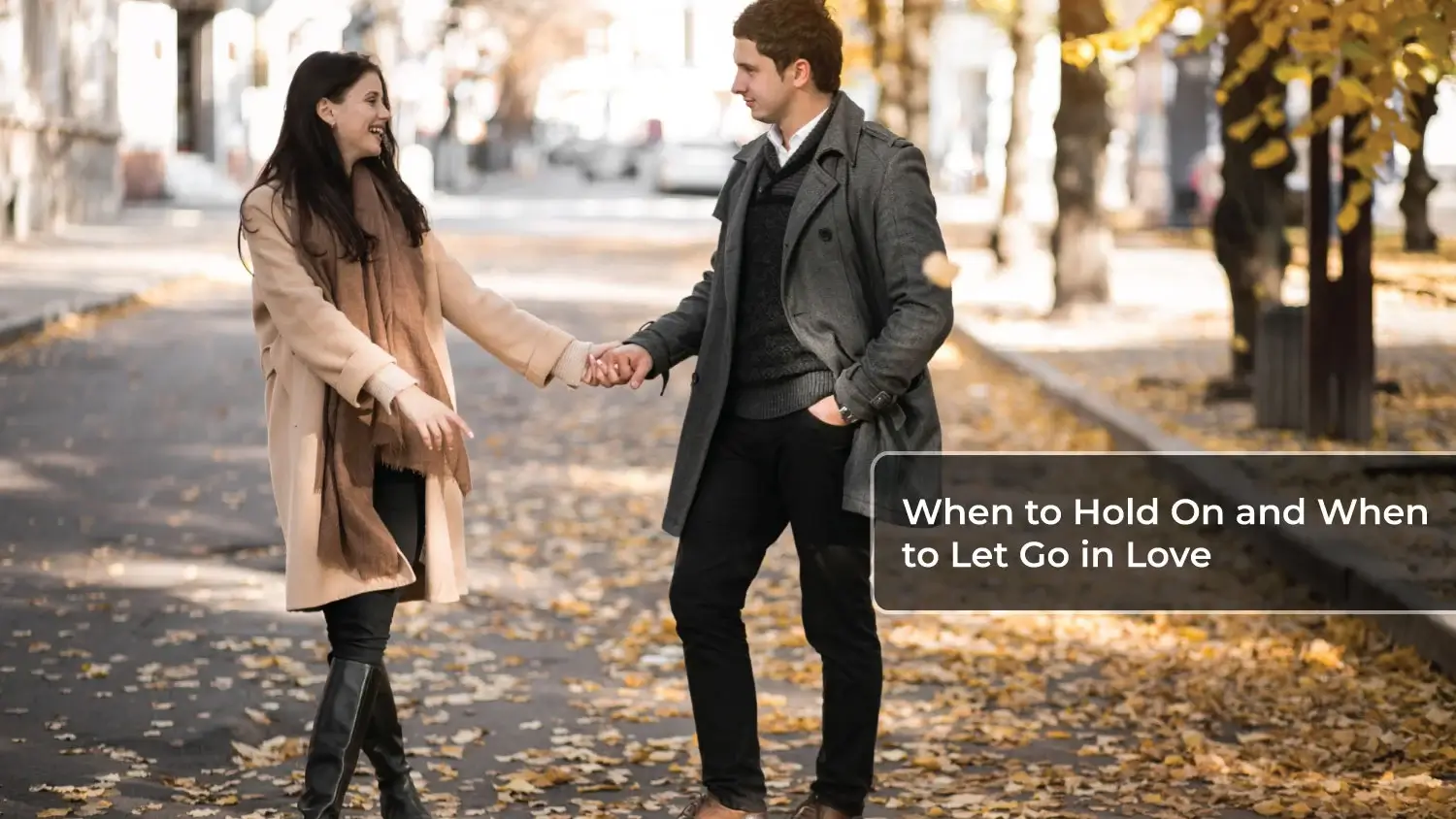
Love is one of the most beautiful experiences in life-but also one of the most confusing. At some point, almost everyone faces the same painful question: Should I keep trying, or is it time to walk away?
Holding on can feel brave. Letting go can feel like failure. Yet both can be acts of deep emotional wisdom.
In today’s ever-evolving world of relationships-where emotional needs, boundaries, and personal growth are better understood than ever-learning the difference between healthy persistence and harmful attachment is essential.
This guide will help you recognize the signs, trust your emotions, and make decisions rooted in self-respect and clarity rather than fear.
Understanding the Emotional Dilemma
Deciding whether to stay or leave is rarely logical. It’s emotional, layered, and deeply personal.
You might feel:
- Hope mixed with exhaustion
- Love tangled with disappointment
- Comfort blended with emotional pain
Relationships are not movies. They don’t always end with dramatic closure or perfect answers. Sometimes, you must choose without certainty-only emotional honesty.
Understanding that confusion is normal is the first step toward clarity.
Why We Struggle to Let Go
Letting go isn’t just about losing a person. It often means losing:
- Shared dreams
- Familiar routines
- Emotional safety
- Future plans
- A version of yourself
Here’s why holding on feels easier:
Fear of Loneliness
Loneliness can feel scarier than emotional pain.
Emotional Investment
Time, energy, and memories create invisible chains.
Hope for Change
We believe love can fix what effort cannot.
Identity Attachment
Sometimes the relationship becomes part of who we are.
Recognizing these reasons doesn’t make you weak-it makes you human.
When Holding On Is Worth It
Not all difficult relationships should end. Some deserve patience, healing, and growth.
Hold on when:
1. There is mutual respect
Arguments happen, but dignity remains intact.
2. Both partners are willing to grow
Effort isn’t one-sided.
3. Communication still exists
You may fight, but you still talk.
4. Trust can be rebuilt
Mistakes occurred, but accountability followed.
5. Love feels safe, not fearful
You feel emotionally secure, even during conflict.
Healthy relationships are not painless-but they are emotionally safe.
Signs You Should Let Go
Sometimes love becomes a place of slow emotional harm.
It may be time to let go if:
You constantly feel emotionally drained
Love should energize, not empty you.
You walk on eggshells
Fear replaces comfort.
Your needs are ignored repeatedly
Not occasionally-consistently.
You justify unhealthy behavior
To yourself. To others.
You feel lonely in the relationship
A powerful warning sign.
Your self-worth is shrinking
Love should expand you, not erase you.
Letting go does not mean you never loved.
It means you finally love yourself too.
The Difference Between Love and Emotional Dependency
Many people confuse love with attachment.
| Love | Emotional Dependency |
|---|---|
| Encourages growth | Creates fear |
| Allows independence | Demands control |
| Feels secure | Feels anxious |
| Supports boundaries | Ignores limits |
| Strengthens identity | Replaces identity |
Ask yourself:
“Am I choosing this person… or am I afraid of losing them?”
The answer reveals more than any advice ever could.
How to Decide with Clarity (Not Fear)
Here is a practical emotional framework:
Step 1: Observe patterns, not promises
Words are easy. Behavior is truth.
Step 2: Separate potential from reality
Love who they are now-not who they might become.
Step 3: Ask honest questions
- Am I growing or shrinking here?
- Do I feel safe expressing myself?
- Is this relationship aligned with my values?
Step 4: Imagine 5 years ahead
If nothing changes-would you still stay?
Step 5: Listen to your body
Chronic anxiety, stress, or emotional heaviness are signals.
Clarity comes quietly-not emotionally loudly.
What Letting Go Really Looks Like
Letting go is not dramatic.
It looks like:
- Choosing peace over chaos
- Choosing dignity over familiarity
- Choosing self-respect over comfort
- Choosing healing over habit
It means grieving-not pretending.
It means allowing pain-without building a home inside it.
Letting go is not weakness.
It is emotional maturity.
How to Heal After Letting Go
Healing is not linear. Some days you’ll feel strong. Other days, fragile.
Healthy healing steps:
Allow grief
Loss deserves mourning-even unhealthy love.
Avoid romanticizing the past
Remember reality, not fantasy.
Rebuild your identity
Who are you without this relationship?
Set boundaries
No emotional reopening of closed wounds.
Reconnect with yourself
Hobbies. Friends. Silence. Growth.
Healing doesn’t mean forgetting.
It means remembering without breaking.
The Ever-Evolving Nature of Love Advice
Love advice today looks very different from previous generations.
We now understand:
- Emotional safety matters as much as loyalty
- Boundaries are healthy, not selfish
- Staying is not always strength
- Leaving is not always failure
- Self-love improves romantic love
Modern relationships require:
- Emotional intelligence
- Mutual growth
- Mental health awareness
- Honest communication
Platforms like Heart Talks Today reflect this shift-focusing not on dramatic romance, but on emotionally healthy connection.
Love today isn’t about enduring pain silently.
It’s about building something that doesn’t require self-destruction to survive.
Final Thoughts
Knowing when to hold on and when to let go is not about being strong or weak.
It’s about being honest.
Hold on when love helps you grow.
Let go when love teaches you to disappear.
Your heart deserves safety.
Your soul deserves peace.
Your future deserves clarity.
Sometimes, the bravest form of love…
is choosing yourself.
FAQs
How long should I try before letting go?
There’s no universal timeline. Focus on patterns of behavior rather than time invested. If growth, respect, and effort are absent consistently, time alone won’t change that.
Is it wrong to leave someone I still love?
No. Love and compatibility are different things. You can love someone deeply and still recognize that the relationship is unhealthy.
What if I regret letting go?
Regret is part of grief, not proof of a wrong decision. Missing someone doesn’t mean they were right for you.
Can people truly change in relationships?
Yes-but only when they recognize their behavior, take responsibility, and show consistent action over time.
How do I stop feeling guilty for choosing myself?
Remind yourself: protecting your emotional health is not selfish. It is necessary.
Should I stay for the sake of history or memories?
Memories are valuable-but they should not become chains. Your future matters more than your past.