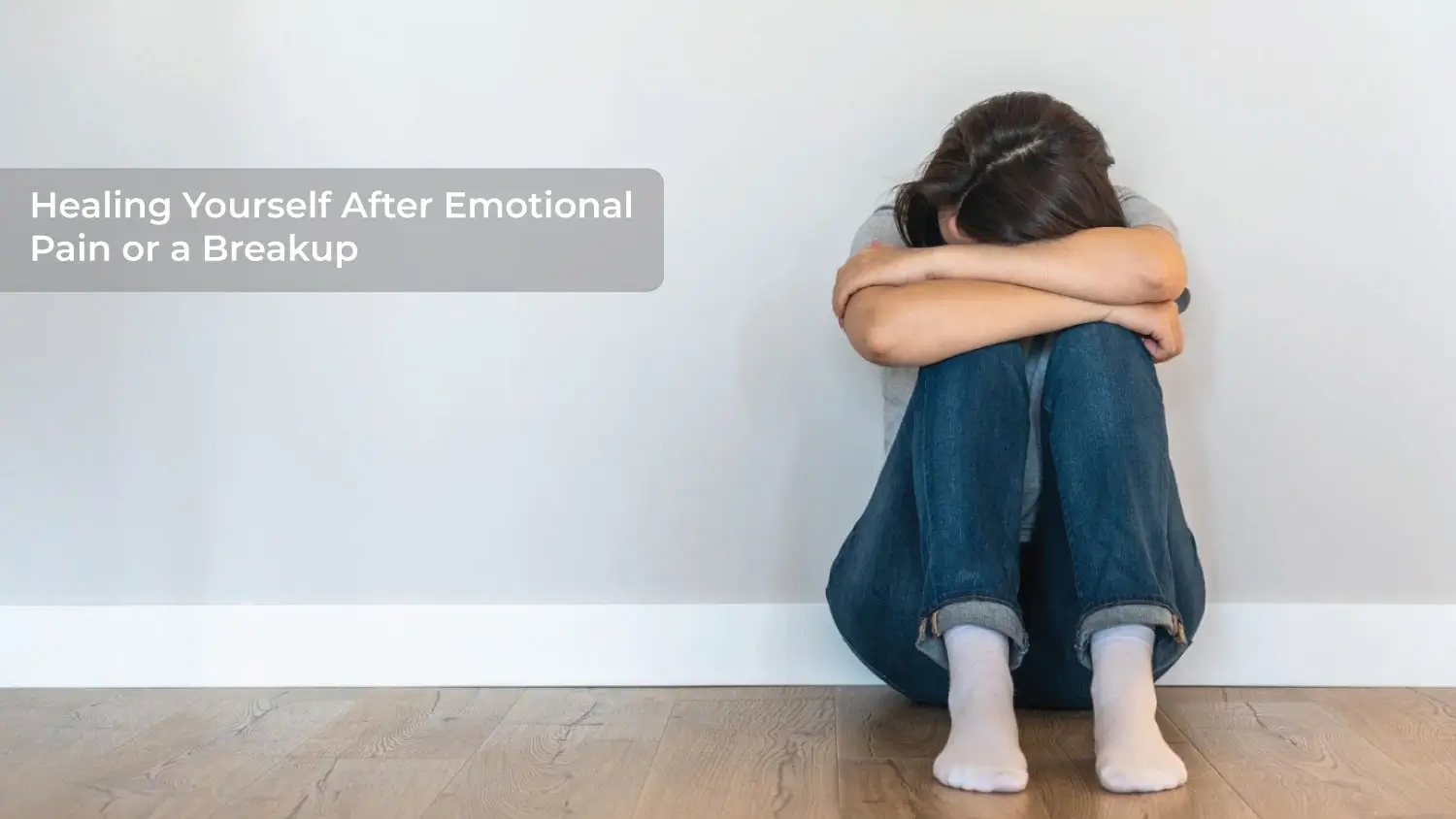
Emotional pain after a breakup can feel unbearable. One day you’re planning a future together, and the next, everything seems uncertain, empty, and painfully quiet. Whether the relationship lasted months or years, losing emotional safety can shake your identity, confidence, and sense of purpose.
But healing is not only possible-it’s transformative.
In today’s ever-evolving world of self-help, healing is no longer about “just moving on.” It’s about rebuilding your inner world, strengthening emotional intelligence, and learning how to love yourself in deeper, healthier ways.
This guide will walk you through realistic, compassionate steps to heal emotionally after a breakup-without rushing, suppressing, or pretending everything is fine.
Understanding Emotional Pain After a Breakup
Emotional pain isn’t imaginary. It activates the same regions of the brain as physical pain. That’s why heartbreak can cause:
- Chest tightness
- Insomnia
- Loss of appetite
- Anxiety
- Overthinking
- Emotional numbness
When a relationship ends, you don’t just lose a person-you lose routines, dreams, identity, and emotional security.
Your brain must rewire itself to a new reality, and that process is uncomfortable.
Why Healing Takes Time (And Why That’s Okay)
Modern culture glorifies quick recovery:
“Be strong.”
“Move on.”
“Find someone better.”
But emotional wounds don’t follow deadlines.
Healing is not linear. Some days you’ll feel powerful. Other days, a song, memory, or smell will bring everything back.
And that’s normal.
Rushing emotional recovery often leads to:
- Rebound relationships
- Emotional suppression
- Long-term trust issues
- Fear of vulnerability
True healing is slow, conscious, and deeply personal.
The Psychology of Attachment and Loss
When you bond with someone, your brain releases:
- Dopamine (pleasure)
- Oxytocin (attachment)
- Serotonin (emotional balance)
After a breakup, those chemicals drop suddenly-creating emotional withdrawal similar to addiction.
That’s why you may:
- Crave their messages
- Replay memories
- Check their social media
- Feel physically restless
Understanding this helps remove self-blame.
You’re not weak. You’re human.
Common Mistakes That Slow Down Healing
Avoid these emotional traps:
1. Stalking Their Social Media
It resets your emotional progress.
2. Suppressing Emotions
Unfelt pain becomes long-term trauma.
3. Jumping Into Rebound Relationships
It postpones real healing.
4. Self-Blame
Breakups are rarely one-sided.
5. Isolating Completely
You still need connection.
Step-by-Step Guide to Healing Yourself
A. Allow Yourself to Feel (Without Judgement)
Cry. Write. Sit in silence. Talk to yourself.
Emotions need expression-not resistance.
Try:
- Journaling daily
- Voice notes
- Walking alone
- Meditation
- Deep breathing
Pain acknowledged is pain that can leave.
B. Create Emotional Safety
Your nervous system needs stability.
Build simple routines:
- Fixed sleep time
- Morning walks
- Balanced meals
- Reduced caffeine
- Limited social media
Safety calms the mind. Calm allows healing.
C. Break the Habit of Emotional Dependency
Love should be shared-not become survival.
Slowly reclaim:
- Decision-making
- Personal goals
- Alone time
- Confidence
Start small:
Go to a café alone. Watch a movie solo. Enjoy your own company again.
D. Rebuild Your Identity
Relationships shape who we become.
After a breakup, ask:
- Who am I without them?
- What dreams did I postpone?
- What parts of me disappeared?
Rediscover:
- Hobbies
- Career goals
- Creativity
- Friendships
Your identity is bigger than any relationship.
E. Practice Modern Self-Help Techniques
The self-help world has evolved beyond motivational quotes.
Today’s emotional healing includes:
- Inner child healing
- Shadow work
- Therapy apps
- Emotional journaling prompts
- Trauma-informed coaching
- Mindfulness science
- Attachment style awareness
Platforms like Heart Talks Today highlight this new generation of conscious healing-where emotional intelligence meets practical growth.
F. Strengthen Your Mental Health Daily
Healing isn’t one big action-it’s small daily discipline.
Try:
- 10 minutes of mindfulness
- Reading one self-help page
- Drinking water intentionally
- Moving your body
Limiting negative self-talk
Small habits rebuild emotional strength.
Signs You Are Truly Healing
Healing doesn’t mean forgetting.
It means:
- Thinking about them without pain
- No urge to check their phone
- Sleeping better
- Feeling hopeful again
- Laughing naturally
- Imagining new futures
- Feeling whole alone
Progress may be quiet-but it’s powerful.
How Long Does Emotional Healing Take?
There’s no universal timeline.
It depends on:
- Emotional depth
- Relationship length
- Attachment style
- Childhood trauma
- Support system
- Mental health history
For some: 3 months
For others: 1 year or more
And that’s perfectly okay.
Turning Pain Into Personal Growth
Some of the strongest people were once broken.
Breakups teach:
- Boundaries
- Emotional awareness
- Self-respect
- Communication
- Red flags
- What real love should feel like
Pain becomes wisdom when processed consciously.
You don’t just recover.
You evolve.
The Role of Self-Help in the Digital Age
Self-help today is no longer shallow motivation.
It focuses on:
- Emotional literacy
- Mental health awareness
- Trauma recovery
- Healthy relationships
- Nervous system regulation
- Conscious living
Blogs like Heart Talks Today represent this shift-where healing is realistic, gentle, and deeply human.
You don’t “fix” yourself.
You understand yourself.
Final Thoughts: You Are Not Broken
You are wounded.
And wounds heal.
One day, you’ll wake up and realize:
- Your chest doesn’t ache anymore
- Your thoughts are peaceful
- Your smile is genuine
- Your future excites you again
The heartbreak that once controlled your life will become a chapter-not your whole story.
Healing isn’t about erasing the past.
It’s about building a stronger, wiser, kinder version of yourself.
FAQs
Is it normal to still miss my ex after months?
Yes. Missing someone doesn’t mean you want them back. It means the bond mattered. Healing doesn’t erase memories-it softens them.
Should I stay friends with my ex?
Only if both of you are emotionally healed. Otherwise, it delays recovery and confuses boundaries.
Does time really heal emotional pain?
Time helps-but conscious effort heals faster and deeper.
Why do I feel guilty after the breakup?
Because attachment creates emotional responsibility. Guilt fades as self-understanding grows.
Is therapy necessary after a breakup?
Not always, but it’s extremely helpful if you feel stuck, numb, or deeply anxious.
How do I trust again after being hurt?
By healing first. Trust begins with trusting yourself-not others.