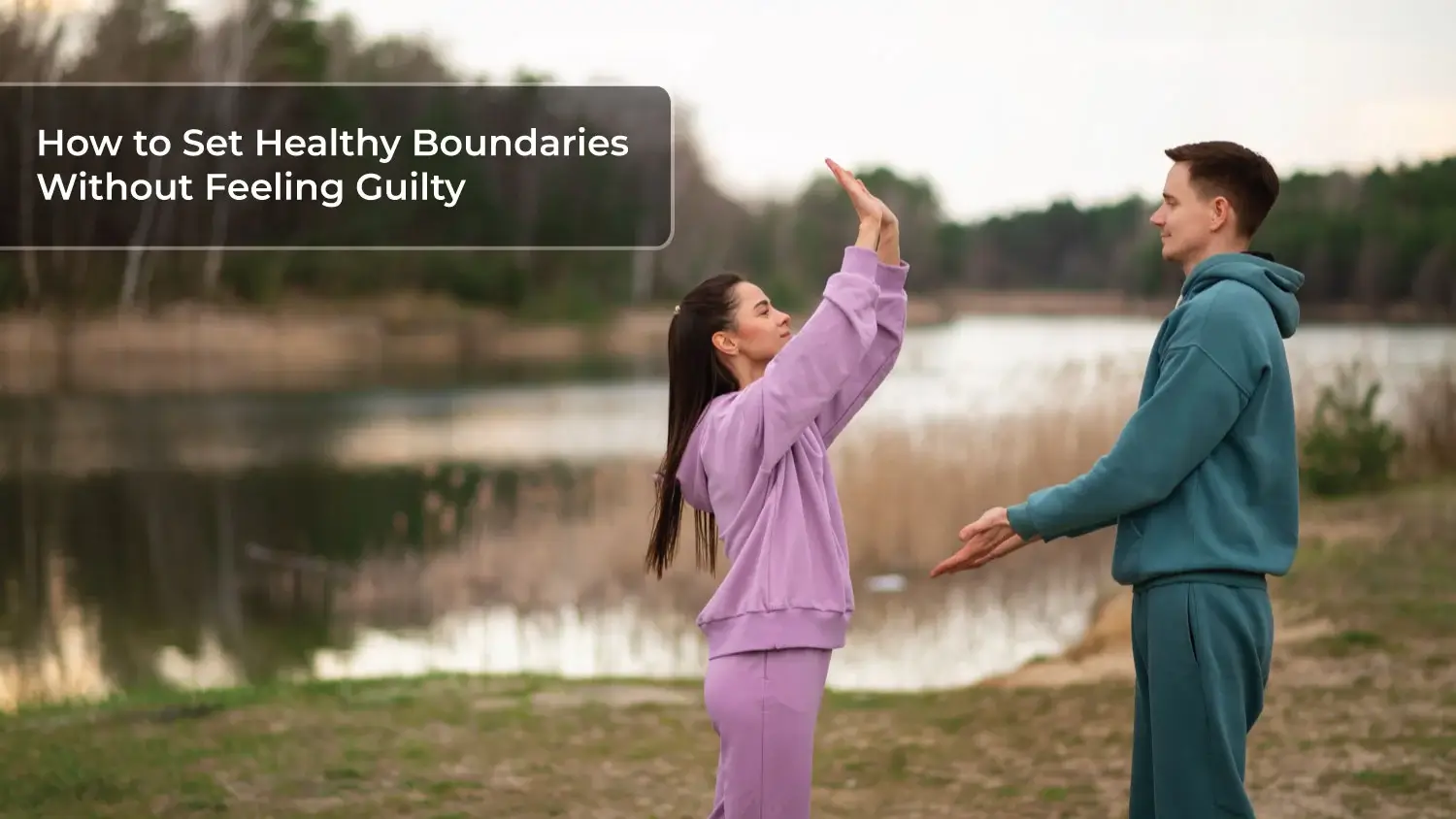
In today’s fast-paced, hyper-connected world, many people struggle with one simple word: no. We say yes when we’re exhausted. We over-explain when we want space. We tolerate behavior that drains us-then feel guilty for wanting peace.
Setting healthy boundaries isn’t selfish. It’s essential.
Yet guilt often shows up the moment we try to protect our time, energy, or emotional well-being. This guide will help you understand why boundaries feel so hard, how to create them gently but firmly, and how to release the emotional weight that comes with prioritizing yourself.
As the self-help space continues to evolve, one truth becomes clearer than ever: you cannot build a healthy life by constantly abandoning yourself.
What Are Healthy Boundaries?
Healthy boundaries are personal limits that define:
- What behavior you accept
- How you allow others to treat you
- How much time, energy, and emotional space you give
They are not walls. They are guidelines for respect.
Boundaries help you:
- Protect your mental health
- Maintain self-respect
- Build honest relationships
- Avoid burnout and resentment
Think of boundaries as emotional seatbelts-they don’t stop the journey, but they make it safer.
Why Do We Feel Guilty Setting Boundaries?
Guilt usually comes from conditioning, not wrongdoing.
Many of us were taught:
- Being nice means being available
- Saying no is rude
- Putting yourself first is selfish
- Conflict should be avoided at all costs
These beliefs run deep.
You might fear:
- Disappointing others
- Being misunderstood
- Losing relationships
- Being labeled difficult or cold
But here’s the truth: feeling guilty does not mean you are doing something wrong. It often means you are doing something new and healthy.
The Cost of Not Having Boundaries
Avoiding boundaries may feel peaceful in the short term, but it comes with hidden costs:
- Chronic stress
- Emotional exhaustion
- Loss of identity
- People-pleasing habits
- Silent resentment
- Low self-esteem
Over time, you may notice:
- You feel invisible
- You struggle to express needs
- You attract controlling or demanding people
- You feel responsible for everyone’s emotions
Without boundaries, your life becomes a constant act of emotional negotiation.
Types of Boundaries You Should Know
Understanding different types of boundaries helps you recognize where you need growth.
Emotional Boundaries
Protect your feelings and emotional energy.
Example:
“I’m not comfortable discussing this topic.”
Time Boundaries
Protect your schedule and rest.
Example:
“I’m unavailable after 8 PM.”
Physical Boundaries
Protect personal space and touch.
Example:
“I prefer not to hug.”
Digital Boundaries
Protect online time and mental space.
Example:
“I won’t respond to work messages on weekends.”
Mental Boundaries
Protect your beliefs and opinions.
Example:
“I respect your view, but I see it differently.”
How to Set Healthy Boundaries Step by Step
Step 1: Identify What Feels Uncomfortable
Your emotions are signals.
Notice when you feel:
- Drained
- Resentful
- Anxious
- Pressured
- Disrespected
These feelings highlight where boundaries are missing.
Step 2: Get Clear About Your Needs
Ask yourself:
- What do I need more of? (rest, respect, privacy)
- What do I need less of? (pressure, criticism, demands)
Clarity builds confidence.
Step 3: Use Simple, Direct Language
You don’t need a long explanation.
Examples:
- “I’m not available for this.”
- “That doesn’t work for me.”
- “I need some time to myself.”
- “I’m not comfortable with that.”
Kindness + firmness = strength.
Step 4: Practice in Low-Risk Situations
Start small:
- Decline an invitation
- Take longer to reply
- Ask for help
- Change plans
Confidence grows with repetition.
Step 5: Stay Consistent
Boundaries only work when they are reinforced.
If you say no but later give in, people learn to ignore your limits.
Consistency teaches others how to treat you.
How to Stop Feeling Guilty About It
Reframe Your Thinking
Instead of:
“I’m being selfish.”
Try:
“I’m being responsible for my well-being.”
Understand That Discomfort Is Temporary
Guilt fades.
Burnout lasts longer.
You Are Not Responsible for Others’ Reactions
You control your actions.
Not their emotions.
Remember: Healthy People Respect Boundaries
Those who benefit from your lack of boundaries may resist them.
That doesn’t make you wrong.
Practice Self-Compassion
Speak to yourself the way you would to a friend:
“You deserve rest.”
“You deserve respect.”
“You don’t need to earn peace.”
What to Do When People React Negatively
Some people will:
- Argue
- Guilt-trip
- Ignore your boundary
- Test it repeatedly
Here’s how to respond:
Stay Calm and Repeat
“I understand, but my decision stays the same.”
Don’t Over-Explain
You don’t owe a full story.
Limit Engagement
You are not required to debate your needs.
Accept Distance if Necessary
Sometimes boundaries reveal which relationships are healthy-and which are built on control.
Boundaries in Relationships, Work, and Family
Romantic Relationships
Healthy boundaries create:
- Trust
- Emotional safety
- Individual growth
Examples:
- Asking for alone time
- Expressing emotional needs
- Defining acceptable behavior
Love does not mean emotional sacrifice.
At Work
Boundaries prevent burnout.
Examples:
- Clear working hours
- Saying no to unrealistic deadlines
- Protecting lunch breaks
- Limiting after-hours communication
Professionalism includes self-respect.
With Family
Family boundaries can be the hardest.
You can:
- Limit personal questions
- Say no to emotional manipulation
- Protect your privacy
- Choose what to share
Respect does not require obedience.
How Self-Help Is Redefining Boundaries Today
Modern self-help no longer glorifies constant sacrifice.
The evolving message is clear:
- Rest is productive
- Saying no is healthy
- Emotional safety matters
- You don’t owe unlimited access to anyone
New research and psychological awareness emphasize:
- Nervous system regulation
- Emotional intelligence
- Secure attachment
- Trauma-informed communication
Platforms like Heart Talks Today highlight how boundaries are becoming a foundation of mental wellness-not a sign of emotional distance.
Boundaries are now viewed as tools for connection, not separation.
Daily Habits That Strengthen Your Boundaries
- Pause before saying yes
- Journal emotional triggers
- Schedule personal time
- Practice assertive communication
- Reduce people-pleasing
- Celebrate small “no” moments
- Reflect weekly on emotional energy
Boundaries are not one decision. They are a lifestyle.
Common Mistakes to Avoid
- Over-explaining
- Apologizing excessively
- Setting boundaries only when angry
- Expecting instant understanding
- Being inconsistent
- Feeling guilty for protecting peace
Growth is not perfection-it’s progress.
Final Thoughts
Setting healthy boundaries without feeling guilty is not about becoming cold or distant.
It’s about becoming honest, emotionally mature, and self-respecting.
You teach people how to treat you.
You show yourself what you’re worth.
And in a world that constantly asks for more, choosing your well-being is an act of quiet courage.
As self-help continues to evolve, one truth remains timeless:
You are allowed to protect your peace.
FAQs
Is setting boundaries selfish?
No. It’s self-respect. You can care about others while caring for yourself.
Why do I feel anxious after saying no?
Because your brain is adjusting to new behavior. Anxiety fades as confidence grows.
What if people stop talking to me?
Those who only value your availability, not your well-being, may fade. Healthy connections stay.
How long does it take to get comfortable with boundaries?
Usually weeks to months. Like any skill, it improves with practice.
Can boundaries improve relationships?
Yes. They create clarity, respect, and emotional safety.
What if I break my own boundary?
Forgive yourself. Reset. Continue. Growth is not linear.