
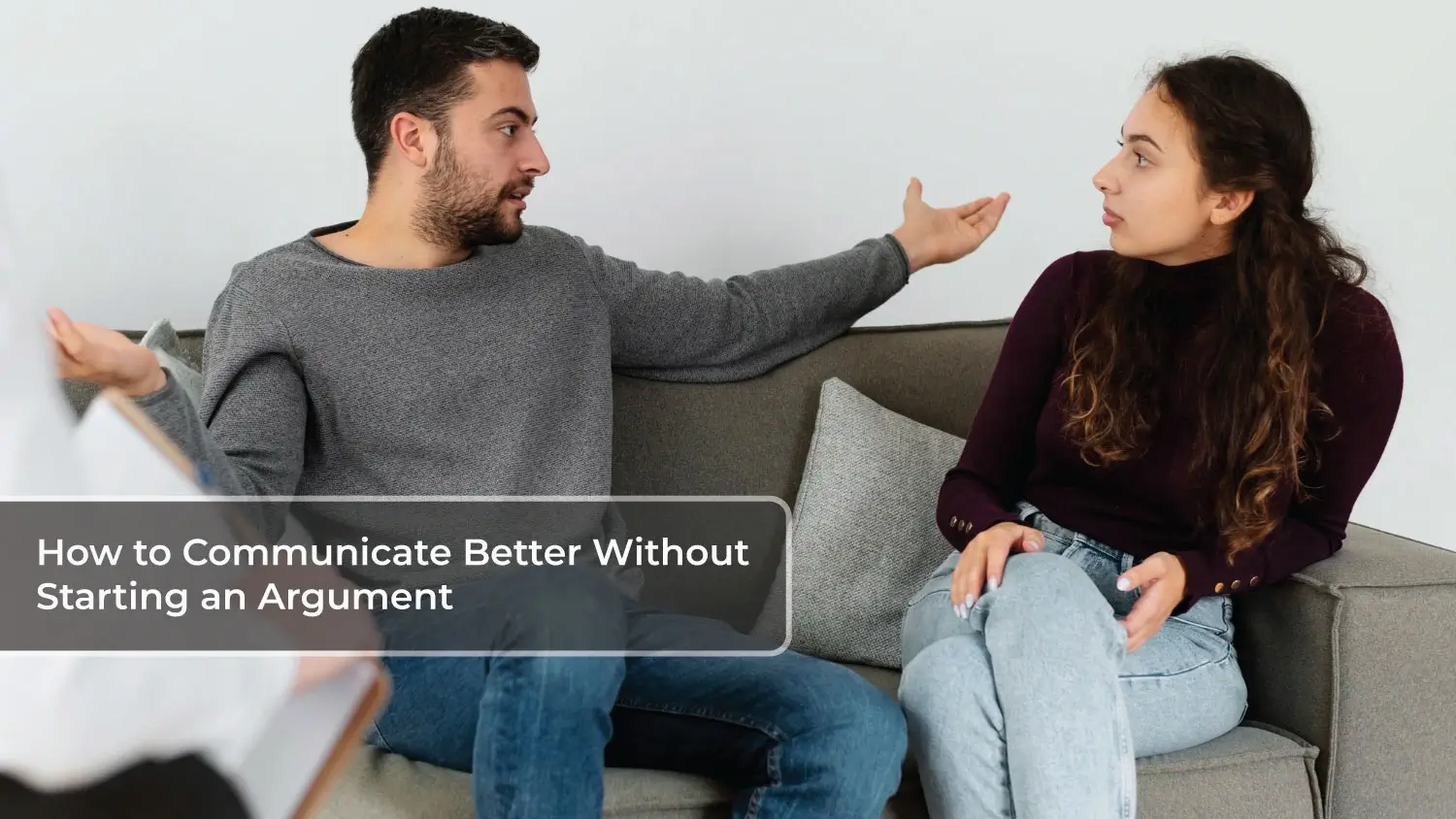
Healthy communication is the backbone of every successful relationship-romantic, professional, or personal. Yet, even small conversations can quickly turn into heated arguments when emotions, misunderstandings, or assumptions take over.
If you’ve ever wondered why simple discussions become conflicts or how to express yourself without triggering defensiveness, you’re not alone. The good news is that communication is a skill, and like any skill, it can be learned, practiced, and improved.
In this guide, you’ll discover practical, psychology-backed techniques to communicate better without starting arguments, while adapting to today’s ever-evolving relationship dynamics.
Why Arguments Start
Arguments rarely begin because of one single sentence. They usually grow from:
- Misinterpretation of words
- Emotional stress
- Feeling unheard or disrespected
- Unresolved past conflicts
- Poor timing
Most people don’t argue to “win”; they argue because they feel misunderstood or threatened.
When you understand that conflicts are emotional reactions-not logical debates-you can approach conversations more gently and effectively.
The Importance of Calm and Clarity in Communication
Calm communication creates safety. When someone feels safe, they are more open to listening.
Clarity prevents confusion. Many arguments happen simply because people express their thoughts vaguely or emotionally instead of clearly.
Calm + clarity = productive conversation.
Before speaking, ask yourself:
- What is my real intention?
- Do I want understanding or victory?
- Is now the right time to talk?
This mental pause alone can prevent countless arguments.
Common Communication Mistakes That Trigger Conflict
Avoiding arguments begins by recognizing common mistakes:
1. Using Accusatory Language
Statements like:
- “You always…”
- “You never…”
These trigger defensiveness instantly.
2. Interrupting
Interrupting sends the message: my voice matters more than yours.
3. Bringing Up Old Issues
Dragging past mistakes into current discussions reopens emotional wounds.
4. Talking While Angry
Anger hijacks logic. Words spoken in anger are often regretted later.
5. Assuming Intentions
Mind-reading leads to misunderstandings.
Proven Techniques to Communicate Without Arguing
Here are practical strategies you can start using today:
Use “I” Statements Instead of “You” Statements
Instead of:
You never listen to me.
Say:
I feel unheard when I’m interrupted.
This reduces blame and opens discussion.
Speak Slowly and Softly
Your tone matters more than your words.
Lower volume = lower emotional intensity.
Stay on One Topic
Avoid mixing multiple issues in one conversation. Solve one problem at a time.
Ask Before Assuming
Try:
- “Can you help me understand what you meant?”
- “Did I interpret that correctly?”
Take Breaks When Needed
If emotions rise:
“Let’s pause and talk again in 20 minutes.”
Breaks prevent damage.
How Emotional Intelligence Improves Conversations
Emotional intelligence (EQ) is the ability to recognize and manage emotions-yours and others’.
High EQ helps you:
- Stay calm during disagreements
- Recognize emotional triggers
- Respond thoughtfully instead of reacting impulsively
- Empathize deeply
People with high EQ rarely escalate conflicts.
You can improve EQ by:
- Journaling emotions
- Practicing mindfulness
- Reflecting after difficult conversations
Listening Skills That Prevent Misunderstandings
Listening is more powerful than speaking.
Practice Active Listening:
- Maintain eye contact
- Nod or acknowledge
- Avoid planning your reply while they speak
- Summarize what you heard
Example:
“So you’re feeling stressed because of work deadlines, right?”
This builds trust and emotional safety.
Choosing the Right Words and Tone
Words shape emotions.
Compare:
❌ “That’s stupid.”
✅ “I see it differently.”
❌ “You’re wrong.”
✅ “Here’s another perspective.”
Tone guidelines:
- Calm
- Respectful
- Curious
- Non-judgmental
Your voice should invite dialogue, not defense.
Handling Disagreements in Healthy Ways
Disagreements are normal. Fighting is optional.
Focus on the problem, not the person
It’s you and them vs. the problem, not you vs. them.
Compromise, Don’t Dominate
Healthy communication seeks solutions-not control.
Validate Feelings
You can disagree while respecting emotions:
“I don’t fully agree, but I understand why you feel this way.”
Modern Relationship Tips for Better Communication
Relationships today are evolving faster than ever-digital communication, busy lifestyles, remote work, and social media all affect how we connect.
Here are modern, practical tips:
1. Limit Emotional Texting
Sensitive conversations should happen face-to-face or via call.
2. Set Digital Boundaries
Avoid arguing over messages late at night.
3. Schedule Deep Conversations
Choose calm moments, not stressful ones.
4. Respect Mental Health Days
Sometimes silence is healing.
5. Learn Each Other’s Communication Style
Some express emotionally, others logically-both are valid.
Platforms like Heart Talks Today regularly emphasize how adapting to modern emotional needs strengthens relationships in today’s fast-paced world.
Building Long-Term Communication Habits
Great communication is not built in one day.
Develop habits such as:
- Weekly emotional check-ins
- Honest but kind feedback
- Expressing appreciation daily
- Apologizing sincerely
- Celebrating small improvements
Consistency beats perfection.
Over time, your conversations become safer, deeper, and more respectful.
Final Thoughts
Communicating without starting arguments is not about suppressing your feelings-it’s about expressing them wisely.
When you replace blame with understanding, anger with empathy, and assumptions with curiosity, conversations transform.
In today’s evolving relationships, emotional intelligence and respectful dialogue are more important than ever. Whether with your partner, family, friends, or coworkers, better communication leads to stronger trust, deeper connections, and lasting peace.
As relationship experts often highlight on Heart Talks Today, the strongest bonds are built not by avoiding disagreements-but by learning how to handle them with care.
Start small. Speak gently. Listen deeply. And watch your relationships grow healthier every day.
FAQs
Why do small conversations turn into arguments?
Small issues often connect to deeper emotional needs such as feeling ignored, disrespected, or undervalued. When these needs are unmet, even minor topics can trigger strong reactions.
How can I stay calm when the other person is angry?
Focus on breathing slowly, keep your voice low, and avoid matching their tone. Remember: calm energy often neutralizes emotional intensity.
Is it better to stay silent to avoid arguments?
Silence can prevent conflict temporarily but may create emotional distance long-term. Healthy communication balances honesty with respect.
Can communication skills really be learned?
Absolutely. Communication is a skill developed through awareness, practice, and patience-just like learning a language.
How long does it take to improve communication habits?
Small changes can show results in weeks, but lasting habits develop over months of consistent practice.


